Author name: kglimo

JFK Terminal 4 Pickup Changes in 2026

Terminal 4 at JFK Pickup Changes in 2026: Executive Arrival Logistics Explained

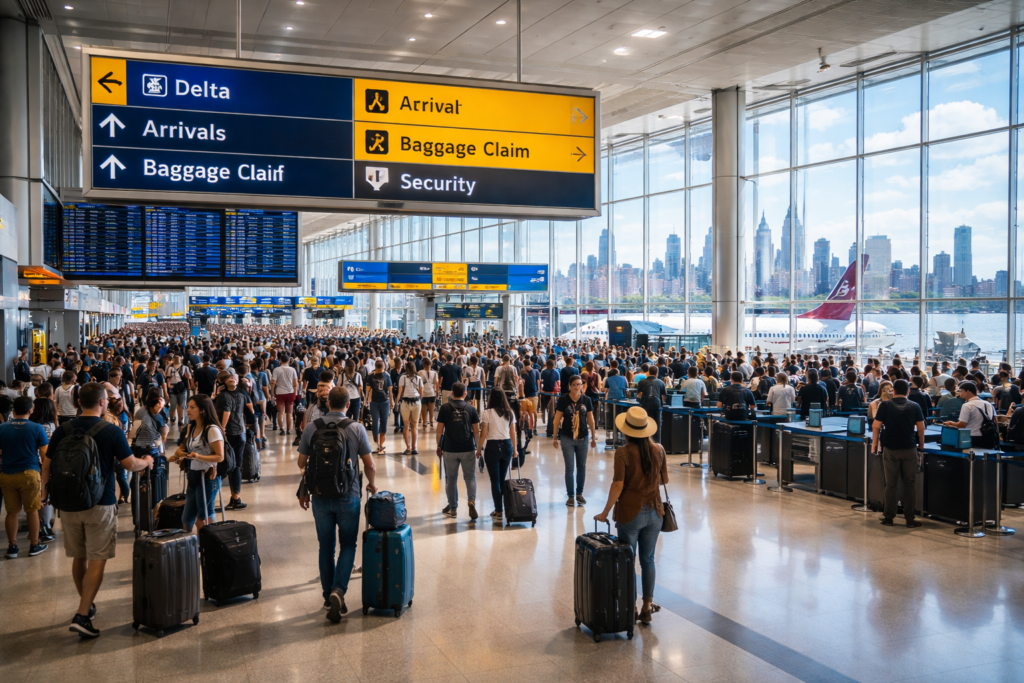
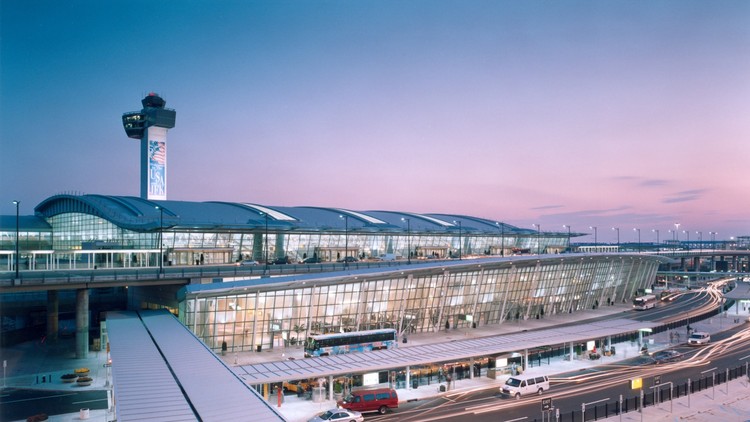
Terminal 4 at JFK  Pickup Changes in 2026: Explanation of Executive Arrival Logistics  JFK Terminal 4 Pickup Changes in 2026 John F. Kennedy International Airport’s Terminal 4 has never functioned like the rest of JFK—but in 2026, those differences have become operationally critical for executive travelers. With continued roadway reconfiguration, stricter curbside enforcement, and revised parking garage operations, the mechanics of professional pickups have shifted in ways that directly affect post-arrival timing. This guide is written from day-to-day chauffeur field operations, not theoretical airport planning. It explains how Terminal 4 pickups actually work in 2026, what has materially changed, and how executives traveling into New York City, Westchester, or Connecticut can avoid avoidable delays immediately after landing. Why Terminal 4 Creates the Most Arrival Friction at JFK Terminal 4 processes the largest share of international arrivals at JFK, anchored by Delta Air Lines and a dense mix of long-haul international carriers. Unlike terminals with predominantly domestic traffic, Terminal 4 experiences compressed arrival surges tied to transatlantic and South American schedules. When multiple widebody aircraft clear U.S. Customs and Border Protection within the same window, curbside congestion escalates quickly. Roadway design compounds the issue. Private chauffeurs, commercial black cars, hotel shuttles, and app-based drivers all funnel toward limited curb frontage. In 2026, enforcement officers actively clear vehicles with minimal tolerance for dwell time, penalizing drivers who mistime their entry. Terminal 4’s vertical layout also forces arriving passengers to decide between upper and lower curbs before they clearly understand where their vehicle is staged—an added layer of confusion that slows the handoff. 2026 Roadway and Garage Adjustments Impacting Terminal 4 Pickups The Port Authority of New York and New Jersey continues phased roadway changes as part of JFK’s long-term modernization. In 2026, several of those changes directly affect arrival pickups. Curbside dwell allowances are shorter and more aggressively enforced, particularly during evening international peaks. Access lanes feeding the terminal loop have also been narrowed, increasing the penalty for early or poorly timed entry. Operational flow inside the Terminal 4 parking garage has shifted as well. While the structure itself is complete, internal circulation now prioritizes short-term parking over active pickups. Entering too early results in repeated internal loops; entering too late forces passengers to wait inside with luggage. Experienced chauffeurs now stage off-terminal and enter the garage only after confirmed customs release—a discipline rarely followed by rideshare drivers. Terminal 4 Arrival Pickup Options Compared Executives arriving at Terminal 4 generally rely on three pickup methods in 2026, each with distinct advantages and limitations. Upper Curb Pickup Closest to baggage claim exits, but highly sensitive to enforcement. Best suited for light travelers arriving outside peak CBP release windows. During surges, vehicles are often moved before passengers reach the curb. Lower Curb Pickup Offers more stable flow and slightly longer dwell tolerance. Better for travelers with checked luggage or those arriving during clustered international arrivals, though clear passenger direction is essential due to less intuitive signage. JFK Terminal 4 Pickup Changes in 2026 Parking Garage Pickup Provides weather protection and predictable meeting points, but only works efficiently with precise timing. Ideal for executives with multiple bags or families, less effective for solo travelers during peak periods. Pickup Option Average Clearance Time Luggage Capacity Enforcement Risk Executive Suitability Upper Curb Fast off-peak, slow peak Low–Medium High Conditional Lower Curb Moderate, more stable Medium–High Medium High Garage Stable if timed correctly High Low High with coordination Why Evening Terminal 4 Pickups Slowed After Roadway Phasing Terminal 4 access changed materially after phased lane reconfiguration tied to JFK’s landside modernization. In 2026, inbound access lanes are narrower and enforcement checkpoints appear earlier. Drivers who misjudge entry timing are removed quickly, often before passengers reach the curb. Previously, chauffeurs could recover from early arrival by circulating within the terminal loop. That option largely disappears during peak enforcement windows. Vehicles are now forced to exit the loop entirely and rejoin external traffic—adding twenty to thirty minutes during evening congestion. JFK Terminal 4 Pickup Changes in 2026 Seasoned chauffeurs adapted by staging off-terminal, monitoring enforcement density, and entering only during confirmed passenger approach. App-based drivers and first-time operators, still using legacy habits, are disproportionately affected. Port Authority of NY & NJ – JFK Ground Transportation Updates When Garage Pickups Became Slower Than Curbs—and When They Didn’t In early 2026, internal garage flow was adjusted to favor short-term parking circulation. While garage pickups remain viable, their efficiency now depends entirely on entry timing rather than passenger preference. During peak international surges, premature entry creates internal bottlenecks that delay both chauffeur and passenger. Conversely, entering within roughly ten minutes of customs release remains the most reliable option for travelers with multiple bags or privacy requirements. JFK Terminal 4 Pickup Changes in 2026 Garage pickups are no longer default solutions—they are time-restricted operations. This shift explains why some executives experience slower garage pickups despite choosing them to avoid curbside enforcement. JFK Terminal 4 Pickup Changes in 2026 Why Routing From Terminal 4 to Connecticut Changed After Departure Routing strategy for Connecticut-bound travelers evolved in 2026 due to compounded congestion immediately after terminal exit. Evening CBP release waves now overlap with saturation on the Van Wyck Expressway, making traditional exits unreliable. JFK Terminal 4 Pickup Changes in 2026 Professional chauffeurs increasingly favor Belt Parkway to Cross Island Parkway during these windows, even when navigation apps suggest otherwise. Once off airport property, bridge selection—Throgs Neck Bridge versus Whitestone Bridge—is based on live Bronx congestion rather than distance. For Fairfield County destinations, Merritt Parkway compliance further limits vehicle and routing options, requiring preplanned alternates. Chauffeured Pickup Routing From Terminal 4 to NYC and Connecticut Routing decisions begin before the vehicle enters JFK property. Chauffeurs assess Van Wyck conditions against Belt Parkway alternatives in advance. In 2026, Van Wyck congestion spikes sharply after evening CBP releases, making Belt Parkway exits more predictable despite longer mileage. On Cross Island Parkway, the decision point shifts to bridge selection. Throgs Neck generally flows better toward I-95 North during weekday evenings,

Terminal 4 at JFK Pickup Changes in 2026: Executive Arrival Logistics Explained Read More »
What Is the Current Situation at JFK Airport

What is the current situation at JFK airport

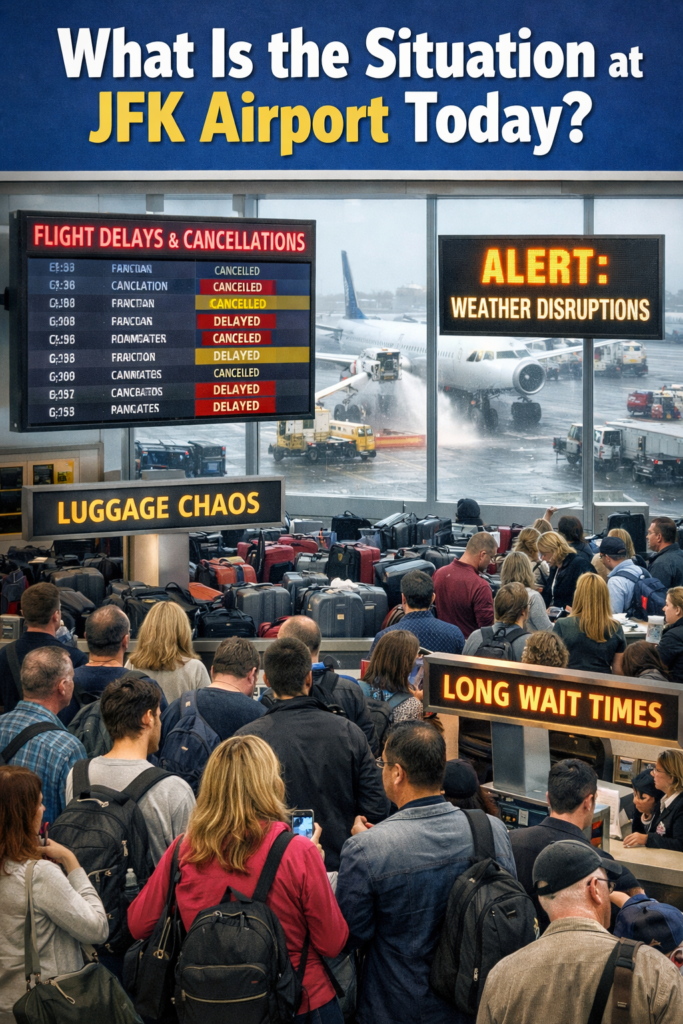
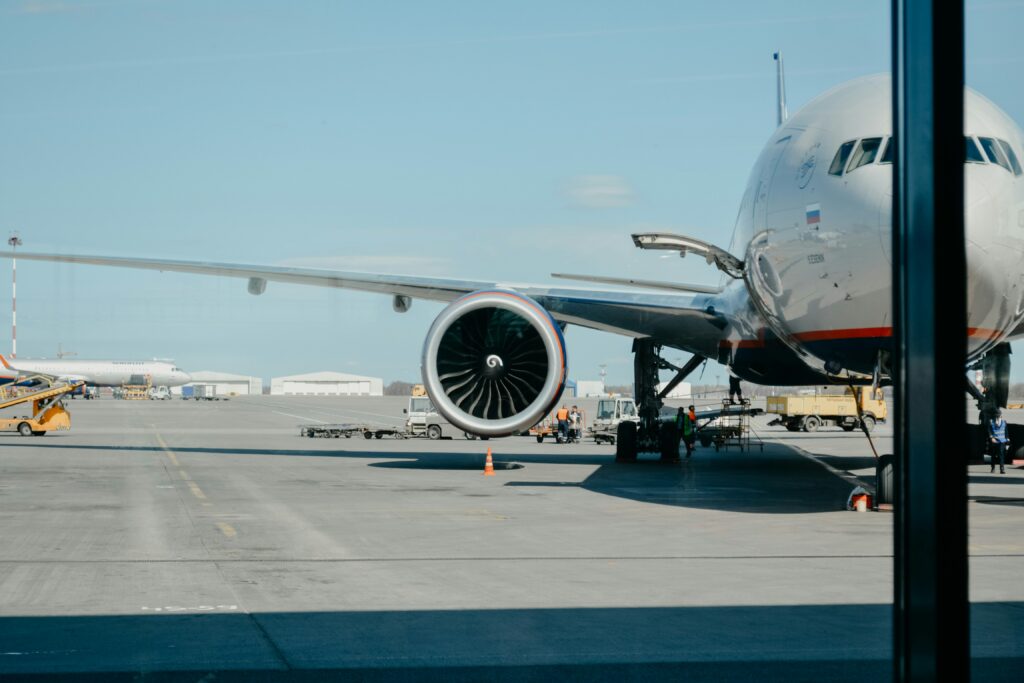
What is the current situation at JFK airport Right now, operations at JFK Airport are generally moving along, but travelers should stay alert for possible delays or changes. According to recent flight status data, there are some minor delays and a small number of cancellations, with most flights still departing and arriving reasonably close to schedule. Checking your specific flight’s status before heading to the airport is a good idea. In the past weeks, winter weather and gusty winds in the Northeast have caused disruptions at JFK and other nearby airports, resulting in delays and occasional operational challenges as crews work to restore normal service. Also underway are major construction and renovation projects at the airport, which aim to improve terminals and facilities — travelers should allow extra time for ground transportation and movement around the airport due to ongoing work. Quick tip: Always check your airline’s app or the official JFK flight tracker before you travel for the most current information.

What is the current situation at JFK airport Read More »

Which city is JFK airport in

Which city is JFK airport in?

Which city is JFK airport in John F. Kennedy International Airport, commonly known as JFK, is located in New York City. More precisely, the airport is situated in the Queens borough, on the city’s southeastern side, within the Jamaica neighborhood. Key Facts City: New York City Borough: Queens Neighborhood: Jamaica Purpose: Main international airport serving NYC Opened: 1948 (originally called Idlewild Airport) Why It’s Important Many travelers are unsure whether JFK belongs to a specific borough or a separate city. In reality, JFK is fully within New York City limits and serves as one of the busiest international entry points into the United States. Quick Answer If you’re wondering, “What city is JFK Airport in?”The answer is simple: New York City.

Which city is JFK airport in? Read More »

How much is a taxi from JFK to NYC

How much is a taxi from JFK to NYC?

How much is a taxi from JFK to NYC Tolls and a state-mandated surcharge are included in the flat taxi fare for trips from JFK Airport to Manhattan. This flat rate applies to travel to any location within Manhattan, regardless of neighborhood. Additional charges such as tolls, surcharges, and tips may affect the final total depending on traffic conditions and the route taken. There is no flat rate for taxi trips from JFK to Brooklyn, Queens, the Bronx, or Staten Island. These rides are charged using a metered fare, which varies based on distance, traffic, and travel time. Delays caused by congestion, slow airport exits, or peak travel hours can increase the total cost. Taxis may also apply extra charges for bridge or tunnel tolls, late-night service, rush hour travel, and additional passengers. Prices can be higher during holidays or periods of high travel demand. Advice: Before starting your trip, confirm with the driver that the Manhattan flat fare rule is being applied if you are traveling to Manhattan.

How much is a taxi from JFK to NYC? Read More »

How much does a car service to JFK cost

How much does a car service to JFK cost?

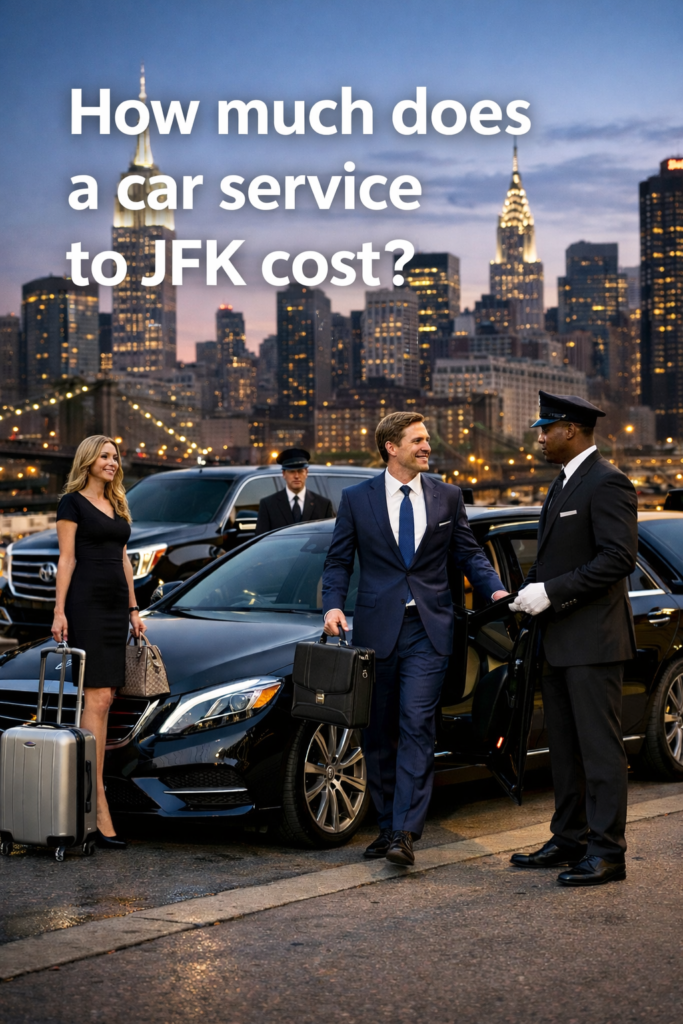
How much does a car service to JFK cost?   Depending on the pickup location, vehicle type, and time of day, a car service to JFK Airport typically costs depents on may factor . Travel from Manhattan, the Bronx, or Long Island is typically more expensive than sedan pickups from Queens or Brooklyn. Standard black automobiles are less expensive than SUVs, premium cars, and luxury sedans. Instead of charging by the hour, the majority of car services offer fixed airport prices. The airport cost, travel time, and tolls are usually included in these flat fees; however, some firms impose additional fees for additional stops, late-night pickups, or significant traffic delays. The cost can be a little higher if you are traveling on weekends, holidays, or during busy times. Many services charge a little fee for flights in the early morning and late at night. Advice: Always confirm that tolls and airport pickup costs are included in the advertised price, as these can vary depending on the route.

How much does a car service to JFK cost? Read More »

Best Restaurants Near JFK T4

Where to Eat Near JFK T4 During a 2–3 Hour Layover (Without Missing Your Flight)

Best Restaurants Near JFK T4 for a 2–4 Hour Layover (Real-World Timing Guide for 2026) Introduction A 2–3 hour layover at JFK Terminal 4 looks comfortable on paper. In reality, it’s a narrow window that shrinks fast. One distant gate, a surprise TSA surge, or a pickup point that’s not where you expected—and suddenly your “relaxed meal” becomes a rushed snack eaten while checking the boarding app every 30 seconds. Best Restaurants Near JFK T4 Most articles about restaurants near JFK focus on what’s good. This guide focuses on what actually works when the clock is real. Instead of vibes, you’ll get timing logic—how long things take, where minutes disappear, and how to choose food based on usable time, not itinerary time. Terminal 4 itself provides live security and ground-transport wait times and categorizes dining by how much time travelers have. That data, combined with on-the-ground chauffeur experience, paints a clearer picture of what’s realistic during a short layover. Best Restaurants Near JFK T4 Best Restaurants Near JFK T4 > Key Points at a Glance With a 2–3 hour layover, staying airside in JFK T4 is usually the safest meal decision Leaving the terminal means full TSA re-screening on return Terminal 4’s official dining page literally sorts options by “food to go / an hour / more than an hour,” with hours and gate areas. Terminal 4 publishes live security and taxi wait times—check them first Dining options inside T4 are officially grouped by “grab-and-go,” “about an hour,” and “more than an hour” For-hire pickups at T4 may be routed to Lot 66 during certain hours, adding time and confusion Gate delivery inside T4 is a legitimate option when walking time is the enemy Understanding Layover Time the Way It Actually Works Your layover duration is not your usable time. At JFK Terminal 4, distance matters. From some gates, just walking to food and back—plus restrooms—can cost 20–40 minutes round-trip. Add lines, seating delays, or payment waits, and the margin shrinks further. If you exit the secure area, you’re committing to TSA screening again. TSA itself advises travelers to factor screening time into all plans, and those lines are not predictable. Before choosing any plan, pull up Terminal 4’s live wait-time dashboard. It’s the single most important data point for a short layover. Usable Minutes Cheat Sheet (2–3 Hour Layover) Plan Real Time Consumed Common Time Drains Grab-and-go airside 35–60 min Gate distance, peak food lines Fast casual + seating 60–90 min Ordering + seat turnover Sit-down airside 90–120 min Table wait, check timing Exit terminal + return 120–180 min TSA, pickup logistics Why “Near JFK T4” Isn’t About Distance “Close” restaurants fail when logistics win. Port Authority traffic management has, at times, routed for-hire pickups from Terminal 4 to Lot 66, requiring additional walking or shuttle steps. Terminal 4 also warns of roadway congestion during construction periods, recommending AirTrain or public transit during heavy traffic windows. If your plan depends on a car being “right outside,” confirm the pickup rule before committing to anything off-terminal. Best Restaurants Near JFK T4 Best Restaurants Inside JFK Terminal 4 (Safest Option) Eating inside T4 avoids TSA replay and transportation variables. Terminal 4 publishes a live, updated dining list with hours and gate zones, plus guidance based on time available. Your choice should be driven by throughput and proximity, not just reviews. Pick-By-Your-Clock Guide (Inside T4) Time Available Best Choice Why 20–35 min Grab-and-go Protects boarding window 35–70 min Fast casual Balanced speed + comfort 70–110 min Sit-down Only if gate is nearby 110+ min Sit-down + coffee Rare but possible Reliable, Predictable Choices in T4 When time matters, consistency wins. Shake Shack (multiple T4 locations) is dependable when you want a known timeline Boulton & Watt operates 24 hours, making it valuable for late-night or early arrivals Five Borough Food Hall works well for groups with mixed tastes and limited patience When You Have About an Hour An hour is enough for a real meal if you keep it simple. Terminal 4’s own guidance highlights spots like Buffalo Wild Wings and Mi Casa for this window. The rule from the driver’s seat: don’t stack lines. One order, one stop, no add-on coffee mission. For families, seat speed beats menu perfection every time. Best Restaurants Near JFK T4 Sit-Down Dining During a 2–3 Hour Layover Sit-down meals are viable when security waits are light and your gate is close. Terminal 4 lists options such as The Palm, Le Grand Comptoir, and Pizza Vino for travelers with more than an hour. If you choose this route, ask for the check when the entrée arrives—airport time moves differently. If security wait times spike, sit-down dining is the first plan to cut. Gate Delivery: The Underrated Option Delivery inside the terminal can save both time and energy. Services like AtYourGate list coverage for Terminal 4 and partner with familiar brands. This works especially well when your gate is far from dining clusters or when traveling with children and luggage. Eating near your gate also keeps boarding announcements in view. Leaving the Terminal: A Calculated Risk Exiting JFK T4 can work—but only with discipline. TSA re-screening is the wildcard, and pickup-point rules can quietly eat your buffer. If you leave, make it a single destination with a firm return-to-security cutoff. Best Restaurants Near JFK T4 Stay or Go Decision Guide Situation Recommendation Why First time at T4 Stay inside Fewer unknowns Long TSA waits posted Stay inside Re-entry risk Pickup routed to Lot 66 Stay inside Extra steps Exceptionally padded layover Outside possible With discipline Closest “Outside” Option: TWA Hotel Dining The TWA Hotel is part of the airport ecosystem, not a strip-mall detour. Paris Café offers a Jean-Georges-led menu Connie Cocktail Lounge is a vintage aircraft converted into a bar This option works best when your layover is close to three hours and your return plan is tight. A True NYC Food Memory Near JFK: Howard Beach Pizza For travelers with real buffer time, New

Where to Eat Near JFK T4 During a 2–3 Hour Layover (Without Missing Your Flight) Read More »

coastal flood advisory

Coastal Flood Advisory on the Gulf Coast of the United States: What the Risk Really Means

Coastal Flood Advisory on the Gulf Coast of the United States: What the Weekend Risk Really Looks Like Updated:  1 February 2026 This is not a travel post and it’s not a weather hype post. It’s a practical read for understanding what a coastal flood advisory actually means along the Gulf Coast of the United States, how it shows up on the ground, and where people get caught off guard when tides, waves, and timing stack the wrong way. According to the National Weather Service’s definition of a coastal flood advisory Recent reporting on sneaker waves and high-tide flooding has pushed coastal risk back into the headlines. The takeaway is simple: you don’t need a hurricane for real problems to show up. Normal-looking days can still produce water on roads, flooded parking areas, and dangerous shoreline conditions. This guide is written in an advisory-first style: what’s happening where it matters when risk spikes what people misjudge No drama. Just situational clarity. Key Points (Read This First) A coastal flood advisory means minor flooding is expected, especially in low-lying coastal areas during high tide. On the Gulf Coast, flooding risk often comes from the combination of tides, swell direction, and persistent onshore winds — not storms. Sneaker-wave-style impacts aren’t limited to the Pacific Coast; long-period swells and elevated tides can still create sudden shoreline hazards. Roads, beach access points, marina lots, and barrier island causeways are the first places to see problems. What a Coastal Flood Advisory Actually Means (Plain English) A coastal flood advisory is issued when minor coastal flooding is expected but not severe enough for a warning. The word “minor” is where people get it wrong. Minor flooding can still mean: water across coastal roads flooded parking areas near beaches and marinas impassable access points for several hours waves reaching farther up the shoreline than expected It does not mean “safe” or “business as usual.” It means flooding is likely, predictable, and tied closely to tidal cycles. Official definitions and local thresholds are issued by the National Weather Service (NWS), and advisories are often highly location-specific. for safe airpor transfer book any relaible company Why the Gulf Coast Is Vulnerable Even Without Storms The Gulf Coast behaves differently than cliff-backed coastlines. Much of it is: low elevation gently sloped barrier-island dependent connected by causeways and single access roads That geography means water doesn’t need much force to move inland. Recent coverage from regional news outlets has highlighted how high tides combined with persistent swell can flood areas that look completely normal a few hours earlier. San Francisco Chronicle – tide & coastal flooding reporting Trusted reporting examples: Local coverage on sneaker-wave-style coastal hazards and sudden surge conditions Regional tide and flood advisories explaining how elevated water levels stack with wave action These are reminder events — not outliers. Timing Is the Risk Multiplier On the Gulf Coast, timing matters more than intensity. Risk spikes when these overlap: astronomical high tide onshore or southeasterly winds long-period swell slow-moving or stalled weather patterns That overlap is why advisories are often issued for specific tide cycles, not full days. The Common Mistake People look outside at low tide, see dry pavement, and assume the advisory is overblown. By the next tide cycle: water is across the same road beach access is cut off vehicles are stranded Advisories are about what’s coming, not what’s happening right now. Where Minor Flooding Shows Up First If you’re trying to assess real-world impact, these locations flood first: Barrier island access roads Marina and harbor parking lots Beachfront neighborhoods with storm drains at sea level Low coastal intersections near bays and inlets These areas don’t fail dramatically — they fail quietly. A few inches of water is enough to: stall cars damage electrical systems force road closures delay emergency access Sneaker Waves, Reframed for the Gulf Coast While the term “sneaker wave” is more commonly associated with the West Coast, the behavior — sudden, farther-reaching waves — is not exclusive. On the Gulf Coast, the equivalent risk shows up as: unexpected wave run-up during elevated tides people standing too close to the waterline on flat beachesWhat a Coastal Flood Advisory Actually Means fishing or photography near jetties and rocks during swell events The danger isn’t wave height alone — it’s reach. if people travel they should check news. What to Do During a Coastal Flood Advisory This isn’t a checklist — it’s a decision filter. Do this: Plan arrivals and departures around high tide, not during it Assume beach access points may close temporarily Avoid parking in areas that have flooded “once or twice before” Don’t do this: Drive through shallow saltwater (depth is hard to judge) Stand close to the waterline during elevated tide cycles Treat advisories as optional because skies are clear Why These Advisories Are Becoming More Common Two trends are colliding: rising baseline sea levels better, more precise coastal forecasting That means more days where conditions barely cross advisory thresholds — but still cause real disruption. The Gulf Coast is not suddenly more dangerous. It’s just being measured more accurately. FAQs Is a coastal flood advisory serious? Yes. It indicates expected flooding in vulnerable areas, especially during high tide. Does this mean evacuation? No. Advisories are not evacuation-level events, but they do require planning adjustments. Can this happen without storms? Absolutely. Many advisories are issued on calm, sunny days. How long does flooding last? Often just a few hours around peak tide — which is why timing matters. Conclusion A coastal flood advisory along the Gulf Coast of the United States isn’t about panic. It’s about precision. Water moves when tides, wind, and swell line up — not when it’s convenient. The people who run into trouble are usually the ones who assume conditions won’t change fast. If you treat advisories as timing guidance instead of storm warnings, they do exactly what they’re supposed to do: keep small problems from becoming expensive ones. That’s the whole point. K and G Limousine

Coastal Flood Advisory on the Gulf Coast of the United States: What the Risk Really Means Read More »

Can Venezuelans travel to the USA

Can Venezuelans Travel to the USA

Can Venezuelans Travel to the USA? (Simple Guide) Many people ask this question: Can Venezuelans travel to the USA?The short answer is yes, Venezuelans can travel to the United States, but there are important rules and limits they must follow. Let’s break it down in very simple language. What Reddit users say about this. Visa Is Required for Venezuelans Can Venezuelans travel to the USA > Citizens of Venezuela must have a valid U.S. visa to enter the United States. Venezuela is not part of the U.S. Visa Waiver Program, so traveling without a visa is not allowed. Common visa types include: Tourist visa (B1/B2) – for travel, family visits, or short business trips Student visa (F-1) – for studying in the U.S. Work visas – for approved jobs Immigrant visas – for people moving permanently Each visa type has different rules and documents. U.S. Embassy Services for Venezuelans Right now, most U.S. visa services are not fully available inside Venezuela. Because of this, many Venezuelans apply for a U.S. visa in another country, such as Colombia, Mexico, or the Dominican Republic. This means: Extra travel planning is needed Embassy appointment wait times can be long All documents must be correct to avoid rejection Humanitarian Parole Program The U.S. has also offered a humanitarian parole program for certain Venezuelans. This is not a visa, but a temporary permission to enter the U.S. for urgent reasons. To qualify: The traveler must have a financial sponsor in the U.S. Must pass background and security checks Entry is usually temporary, not permanent This option is mainly for emergency or humanitarian situations. Entry Is Never Guaranteed Even with a visa or parole approval, final entry is decided by U.S. border officers. At the airport, they may ask questions like: Why are you visiting the U.S.? How long will you stay? Where will you stay? Do you have a return ticket? If answers are unclear, entry can be denied. Always carry documents and be honest. Can Venezuelans travel to the USA ? Travel Tips for Venezuelans Visiting the USA Here are some simple tips: Apply early — visa processing can take time Keep documents organized Do not overstay your visa Follow U.S. immigration rules strictly Book reliable airport transportation in advance How Our Company Helps At K and G Limousine, we help Venezuelan travelers with safe, reliable airport transportation in the USA. Whether you are arriving for tourism, family visits, or business, we make sure: Airport pickups are smooth No language stress with drivers Comfortable and on-time rides Support for first-time U.S. travelers Final Answer Yes, Venezuelans can travel to the USA, but a visa or approved parole is required, and rules must be followed carefully. Planning ahead makes the journey much easier and safer. If you’re traveling to the U.S. and need trusted airport transportation, K and G Limousine is here for you

Can Venezuelans Travel to the USA Read More »

What Is the Situation at JFK Airport Today

What Is the Situation at JFK Airport Today

What Is the Situation at JFK Airport Today? John F. Kennedy International Airport is operating normally today, with flights arriving and departing across all terminals as scheduled. Airport operations are running smoothly, and passengers can review real-time flight status, gate assignments, and baggage updates through official airport channels. Security screening times are typical for this time of year, though busier travel periods can create short wait times. For travelers using professional airport transportation, pickups and drop-offs are moving efficiently throughout the terminal roadways. By K and G LimousineProviding dependable airport transfers, executive black car service, and professional chauffeur transportation across Connecticut, New York, New Jersey, and surrounding areas.

What Is the Situation at JFK Airport Today Read More »

Does JFK Airport Still Exist

Does JFK Airport Still Exist?

Does JFK Airport Still Exist? Yes — John F. Kennedy International Airport is fully operational and remains one of the busiest international gateways in the world. The airport runs 24 hours a day, serves millions of passengers each year, and is in the middle of major, long-term upgrades to modernize terminals and infrastructure. Professional airport shuttle, limousine, and black car services continue to operate daily across all terminals, meeting the constant demand from business travelers, international passengers, and local flyers. By K and G LimousineReliable luxury transportation providing airport transfers, corporate black car service, and professional chauffeur solutions throughout Connecticut, New York, New Jersey, and surrounding areas.

Does JFK Airport Still Exist? Read More »

Scroll to Top